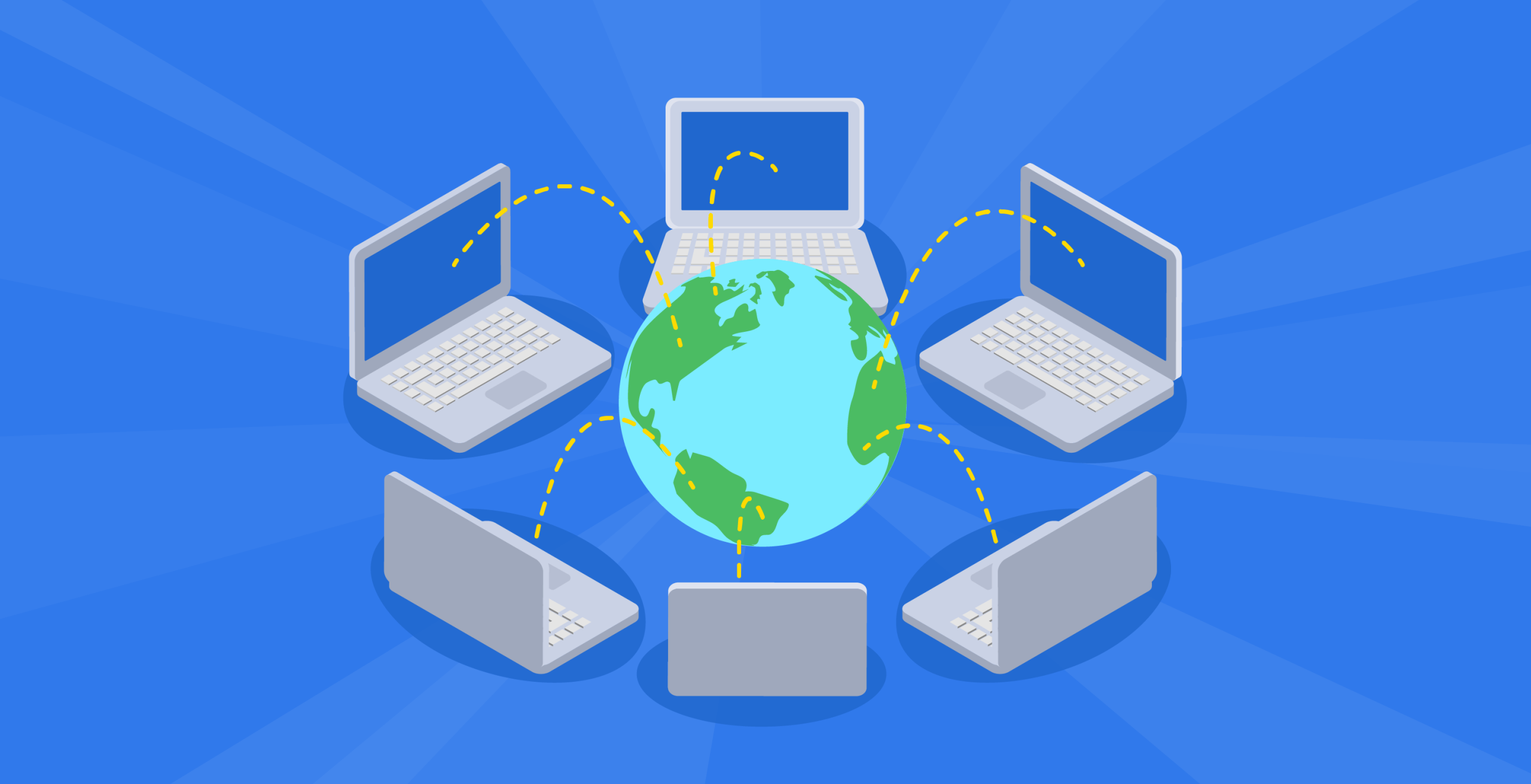
In today’s fast-paced business environment, effective communication is more critical than ever. Companies are increasingly adopting multi-channel communication strategies to engage their clients, streamline internal processes, and enhance overall productivity. By utilizing various communication platforms for companies, organizations can reach their audiences through multiple touchpoints, ensuring that they meet diverse needs and preferences. This article explores the benefits of multi-channel communication and how it can transform the way businesses operate.
Understanding Multi-Channel Communication
Multi-channel communication refers to the use of multiple platforms to interact with customers, employees, and stakeholders. This can include a combination of:
- Email: A traditional yet effective method for formal communication.
- Social Media: Platforms like Facebook, Twitter, and LinkedIn allow for real-time engagement with clients and prospects.
- Instant Messaging: Tools like Slack and Microsoft Teams facilitate quick and efficient internal communication.
- Video Conferencing: Software such as Zoom and Google Meet enables face-to-face interactions, even in remote settings.
- SMS and Phone Calls: Direct communication methods that provide immediate access to clients.
By leveraging various channels, organizations can ensure that they are accessible and responsive to their audience’s needs.
Key Benefits of Multi-Channel Communication
1. Enhanced Customer Engagement
One of the most significant advantages of multi-channel communication is the ability to enhance customer engagement. By offering multiple platforms for interaction, companies can cater to different preferences.
- Personalized Experiences: Customers can choose how and when they want to communicate, leading to a more personalized experience. For instance, some may prefer quick responses via social media, while others may prefer more detailed interactions through email.
- Increased Accessibility: By being present on multiple channels, companies can be more accessible to customers. This can lead to improved satisfaction and loyalty as customers appreciate the ease of reaching out.
2. Improved Response Times
Multi-channel communication allows companies to respond more quickly to customer inquiries and issues.
- Real-Time Interaction: Instant messaging and social media channels enable real-time responses, reducing wait times and enhancing customer satisfaction.
- Efficient Tracking: With the right communication platforms, organizations can track inquiries across various channels, ensuring that no message goes unanswered.
3. Greater Flexibility
A multi-channel approach provides greater flexibility for both customers and companies.
- Adaptability: Organizations can quickly adapt their communication strategies based on customer preferences and market trends. If a particular channel is more effective, businesses can shift focus accordingly.
- Workforce Flexibility: Employees can use different channels to communicate based on their circumstances, enhancing collaboration and productivity, especially in remote work settings.
4. Comprehensive Data Collection
Utilizing multiple channels allows companies to gather more comprehensive data on customer interactions and preferences.
- Holistic Insights: By analyzing data from various platforms, organizations can gain a better understanding of customer behavior, preferences, and pain points, allowing for more informed decision-making.
- Targeted Marketing: With insights gathered from multi-channel interactions, companies can create targeted marketing campaigns that resonate with specific audience segments.
5. Increased Brand Awareness
Being present on multiple platforms enhances brand visibility and awareness.
- Broader Reach: Companies can reach a wider audience by engaging with customers on their preferred channels, increasing the likelihood of brand recognition.
- Consistent Messaging: Multi-channel communication allows organizations to maintain consistent messaging across platforms, reinforcing brand identity and values.
6. Enhanced Collaboration Among Teams
Multi-channel communication can also improve internal collaboration among employees.
- Streamlined Communication: Teams can communicate more effectively using various channels, enabling quicker decision-making and problem-solving.
- Cross-Department Collaboration: Different departments can use specific channels for collaboration, ensuring that information flows seamlessly across the organization.
7. Cost Efficiency
While implementing a multi-channel strategy may require initial investment, it can lead to long-term cost savings.
- Reduced Customer Churn: Improved customer satisfaction and engagement can lead to higher retention rates, reducing the costs associated with acquiring new customers.
- Optimized Resource Allocation: Organizations can allocate resources more effectively by focusing on the channels that yield the highest engagement and returns.
8. Better Crisis Management
In times of crisis, having multiple communication channels can be invaluable.
- Rapid Dissemination of Information: Companies can quickly inform customers and stakeholders about important updates or changes through various platforms, ensuring that everyone stays informed.
- Feedback Channels: Multiple communication channels allow organizations to gather feedback during crises, enabling them to address concerns promptly and effectively.
Choosing the Right Communication Platforms
To effectively implement a multi-channel communication strategy, organizations should consider the following:
1. Assess Your Audience
Understanding your audience’s preferences is crucial for selecting the right channels. Conduct surveys or gather data to determine how customers prefer to communicate.
2. Ensure Seamless Integration
Choose communication platforms that can integrate with each other, allowing for a seamless flow of information. This integration can enhance efficiency and reduce the risk of miscommunication.
3. Invest in Training
Provide training for employees to ensure they are proficient in using various communication platforms. This will help maximize the effectiveness of your multi-channel strategy.
4. Monitor and Adjust
Regularly assess the performance of your communication channels. Monitor engagement metrics, response times, and customer feedback to identify areas for improvement and make necessary adjustments.
Conclusion
Adopting a multi-channel communication strategy offers numerous benefits for companies looking to enhance engagement, improve customer satisfaction, and streamline operations. By leveraging various communication platforms for companies, organizations can create a more connected and responsive environment, ultimately driving business success.
As the marketplace continues to evolve, embracing multi-channel communication will not only help businesses meet the diverse needs of their audiences but also position them for long-term growth and sustainability. Investing in effective communication strategies today will pave the way for a more prosperous tomorrow.